

Revision Knee Replacement When it’s Necessary, Causes, and Recovery Timeline
Revision Knee Replacement Surgery
Knee replacement surgery has become a transformative procedure for individuals suffering from severe arthritis or debilitating knee injuries, restoring mobility and alleviating pain. However, in some cases, patients may require a Revision Knee Replacement in Kondapur due to various complications or implant failure. Dr. Ranganath Reddy, a renowned Orthopedic Surgeon in Ameerpet, emphasizes understanding the causes, procedure, and recovery process of revision knee replacement to ensure optimal outcomes.
Causes of Revision Knee Replacement
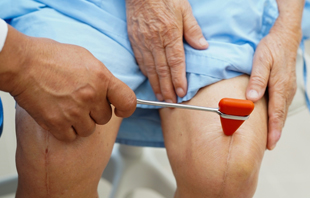
Several factors can necessitate a revision procedure. The most common cause is implant loosening, where the prosthetic components lose their secure attachment over time, often due to wear and tear. Infection is another critical concern, which can compromise the integrity of the original implant and surrounding tissues, sometimes requiring removal of the prosthesis. Wear of the polyethylene components can lead to joint instability and pain, prompting revision. Additionally, mechanical failure such as implant fracture, malalignment, or instability can occur, especially in active individuals or those with underlying bone quality issues. Sometimes, patients experience persistent pain or reduced function despite a successful primary surgery, necessitating further intervention. Dr. Reddy, recognised as a leading specialist for the Best Revision Knee Surgery in Kondapur, highlights that early detection of these issues through regular follow-ups is crucial to prevent further deterioration.
The Revision Knee Replacement Procedure
Revision surgery is inherently more complex than primary knee replacement due to factors like scar tissue, bone loss, and altered anatomy. The procedure involves removing the existing prosthesis, thoroughly cleaning the joint, and addressing any bone defects or soft tissue issues. Specialized implants, often with increased stability features, are used to ensure durability. Sometimes, bone grafts or metal augments are necessary to compensate for lost bone stock. The surgical approach may be adjusted based on the extent of damage and the patient's specific needs. Dr. Ranganath Reddy, the Best Orthopedician in Kondapur emphasizes meticulous planning and precise execution to restore joint function and stability. The procedure typically lasts longer than primary replacements, often exceeding two hours, and may require specialized instrumentation.
Recovery Timeline and Postoperative Care
Recovery after revision knee surgery is gradual and demands patience and commitment. Immediately post-surgery, patients are monitored for pain control, infection prevention, and early mobilization. The initial phase, lasting about 1-2 weeks, involves wound healing, with patients encouraged to start gentle movements and physical therapy to prevent stiffness. Between 4-6 weeks, most patients begin weight-bearing activities with assistance, focusing on restoring range of motion and muscle strength. By 3 months, significant improvements are expected, although some patients may continue to experience subtle discomfort or limited activity levels. Full recovery, including returning to high-impact sports, can take 6-12 months, depending on individual health, adherence to physiotherapy, and any underlying conditions. Dr. Reddy an Orthopedic Doctor in Ameerpet stresses the importance of following postoperative instructions, maintaining a healthy weight, and engaging in tailored physiotherapy programs to optimize outcomes.
In conclusion, revision knee replacement surgery is a complex but highly beneficial procedure for those facing complications after primary knee replacement. Understanding its causes, meticulous surgical planning, and a dedicated recovery regimen are essential for successful results. Under the guidance of experts like Dr. Ranganath Reddy, patients can regain their mobility and enjoy an improved quality of life, even after initial setbacks.