

What is Robotic Joint Replacement Surgery? A Complete Guide
Chronic joint pain can make everyday activities such as walking, climbing stairs, sitting, or even sleeping extremely difficult. For many people, medications, physiotherapy, lifestyle changes, and injections provide temporary relief, but when joint damage becomes severe, surgery may be the most effective solution. In recent years, robotic technology has transformed orthopedic surgery by improving precision and helping surgeons achieve better outcomes. Robotic Joint Replacement Surgery in Ameerpet is an advanced surgical technique that combines the expertise of an orthopedic surgeon with robotic-assisted technology to improve accuracy during joint replacement procedures.
This guide explains what robotic joint replacement surgery is, how it differs from traditional surgery, who may need it, its benefits, the recovery process, and why choosing an experienced surgeon is essential for successful results.
What is Robotic Joint Replacement Surgery?

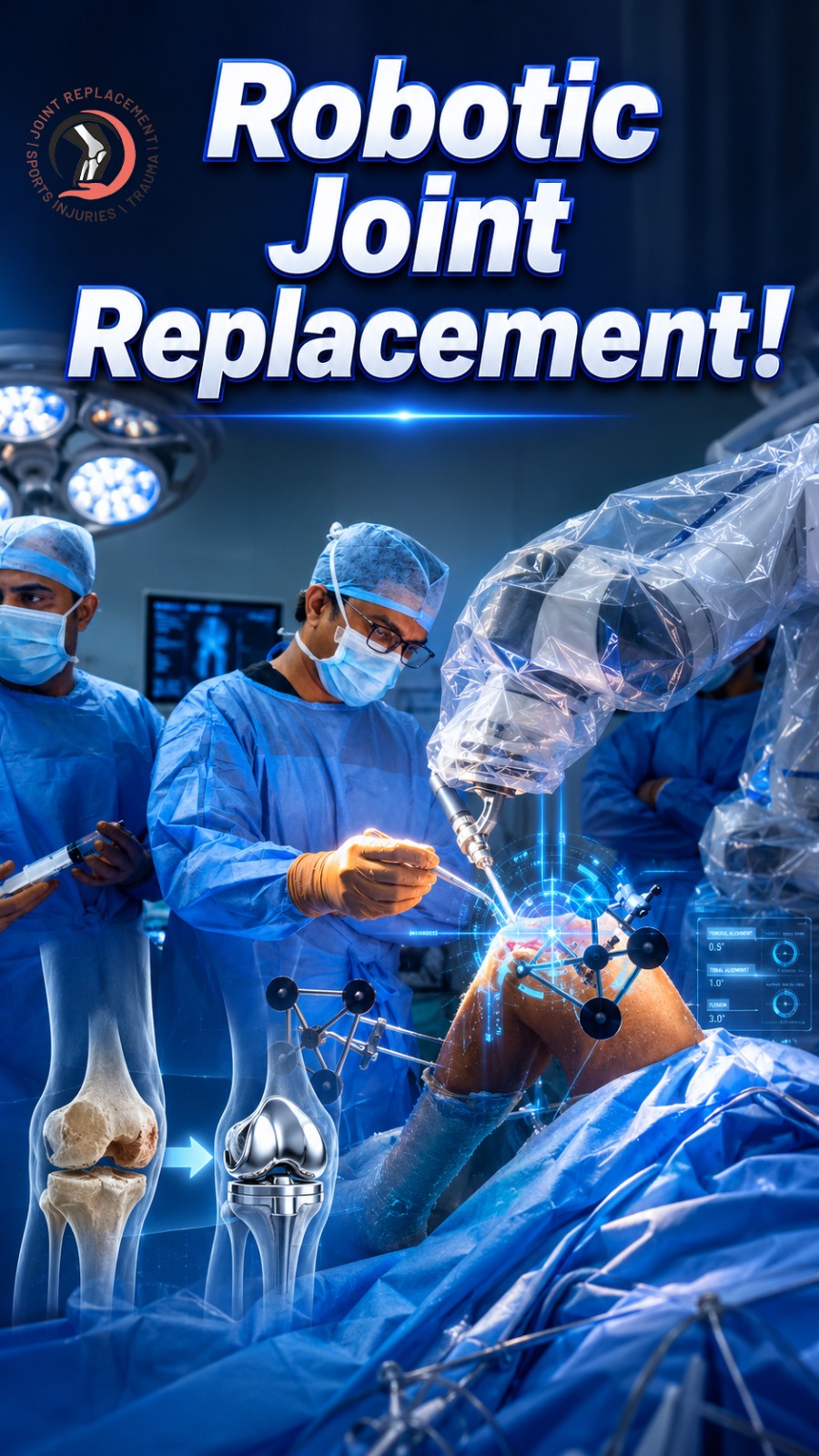
Robotic joint replacement surgery is an advanced orthopedic procedure that uses robotic-assisted technology to help surgeons replace damaged knee or hip joints with greater precision. A common misconception is that a robot performs the surgery independently. This is not true. The robotic system does not replace the surgeon. Instead, it acts as a sophisticated tool that assists the surgeon with planning the procedure and accurately positioning the implant during surgery. The surgeon remains in complete control throughout the operation, making every important decision while using the robotic system to enhance precision and consistency. Compared to conventional joint replacemsent surgery, robotic-assisted surgery allows for more personalized treatment based on each patient's unique anatomy.
How Does Robotic Joint Replacement Surgery Differ From Traditional Surgery?
Traditional joint replacement relies on standard surgical instruments and the surgeon's experience to position the implant. Robotic-assisted surgery adds another level of precision through advanced computer technology and real-time guidance. Before surgery, specialized imaging creates a three-dimensional model of the patient's joint. This allows the surgeon to carefully plan implant size, alignment, and positioning before entering the operating room. During surgery, the robotic system continuously provides real-time feedback, helping the surgeon make highly accurate bone preparation and implant placement while preserving healthy surrounding tissues. This increased accuracy may contribute to better joint function and improved long-term outcomes.
How is the Procedure Performed?
Robotic joint replacement follows a carefully planned process designed to improve surgical accuracy. Initially, the patient undergoes a detailed clinical evaluation along with imaging studies such as CT scans or specialized X-rays. These images are converted into a three-dimensional digital model of the affected joint. Using this model, the surgeon creates a personalized surgical plan that determines the exact implant size, angle, and position best suited for the patient's anatomy. During the operation, the robotic system assists the surgeon by providing continuous guidance and real-time information.
The surgeon removes only the damaged portions of bone and cartilage while preserving as much healthy tissue as possible. Once the damaged joint surfaces are prepared, the artificial implant is placed with exceptional precision according to the preoperative plan. The surgery is completed by the orthopedic surgeon, while the robotic technology functions as an advanced guidance system throughout the procedure.
Which Conditions May Require Robotic Joint Replacement?
Not every patient with joint pain requires surgery. Robotic joint replacement is generally recommended when conservative treatments no longer provide sufficient relief.
Common conditions include:
- Osteoarthritis causing severe cartilage damage
- Rheumatoid arthritis affecting joint function
- Advanced wear and tear of the knee or hip
- Chronic knee or hip pain that limits daily activities
- Joint deformities affecting alignment
- Previous joint injuries leading to permanent damage
- Failed non-surgical treatments such as medications, injections, and physiotherapy
Some patients who initially seek Sports injury treatment in Hyderabad may eventually require joint replacement if previous injuries have resulted in advanced joint degeneration over time.
Benefits of Robotic Joint Replacement Surgery
Robotic-assisted technology offers several important advantages compared to conventional joint replacement surgery.
Some of the key benefits include:
- Greater surgical precision
- More accurate implant alignment
- Personalized surgical planning
- Better preservation of healthy bone and soft tissues
- Reduced damage to surrounding muscles and ligaments
- Less postoperative pain
- Smaller surgical adjustments during the procedure
- Shorter hospital stay
- Faster recovery and rehabilitation
- Improved joint function
- Better long-term implant performance
Although every patient's recovery is different, many individuals experience improved mobility and greater confidence after successful robotic joint replacement surgery.
Who is an Ideal Candidate?
Robotic joint replacement may be suitable for patients who experience persistent joint pain despite receiving appropriate non-surgical treatment.
Ideal candidates often include individuals who have:
- Severe osteoarthritis of the knee or hip
- Chronic pain that limits walking or daily activities
- Significant stiffness and reduced joint movement
- Joint deformity affecting quality of life
- Difficulty climbing stairs or standing for long periods
- Poor response to medications, physiotherapy, or injections
A comprehensive evaluation by an experienced Orthopedician in Kondapur helps determine whether robotic joint replacement is the most appropriate treatment option.
Recovery After Robotic Joint Replacement Surgery
Recovery begins soon after surgery. In many cases, patients are encouraged to stand and begin walking with assistance within a day, depending on their overall health and the surgeon's recommendations. Physiotherapy plays an essential role in restoring strength, flexibility, and joint function. Patients gradually progress from assisted walking to independent movement through structured rehabilitation exercises.
Most people return to light daily activities within several weeks, while complete recovery may take several months depending on age, fitness level, medical conditions, and commitment to rehabilitation. Following postoperative instructions carefully significantly improves recovery and helps maximize the long-term success of the joint replacement.
Why Choosing an Experienced Surgeon Matters
Robotic technology is a powerful tool, but successful outcomes depend primarily on the expertise of the surgeon using it. An experienced surgeon carefully evaluates each patient's condition, selects appropriate candidates for robotic surgery, creates a personalized surgical plan, performs the operation with precision, and supervises postoperative rehabilitation. An experienced Robotic Knee Replacement surgeon in Ameerpet specializes in advanced robotic-assisted knee replacement procedures. In addition to robotic joint replacement, they also provide comprehensive orthopedic care, including sports injury management and treatment for various joint disorders. Choosing an experienced orthopedic specialist helps ensure accurate diagnosis, appropriate treatment planning, and safer surgical outcomes.
Real Patient Success Story
One of the best ways to understand the benefits of robotic joint replacement surgery is by hearing directly from patients who have experienced it.
Watch this real patient testimonial that highlights the positive outcomes following robotic joint replacement performed by Dr. M. Ranganath Reddy. The patient shares their journey from chronic joint pain to improved mobility, faster recovery, and a better quality of life after surgery.
Watch a Patient's Journey After Robotic Joint Replacement
This real-life experience demonstrates how advanced robotic technology, combined with surgical expertise, can help patients return to their daily activities with greater comfort and confidence.
Conclusion
Robotic joint replacement surgery represents a major advancement in orthopedic care by combining surgical expertise with advanced technology to improve precision, implant alignment, and overall patient outcomes. Unlike traditional joint replacement, robotic-assisted procedures allow for personalized surgical planning while preserving healthy tissues and promoting faster recovery.
Patients with severe arthritis, chronic knee or hip pain, or advanced joint damage that does not improve with conservative treatment may benefit from robotic-assisted surgery. Those considering Knee Replacement Surgery in Kondapur can undergo a detailed orthopedic evaluation to determine whether robotic-assisted joint replacement is the most appropriate treatment option. Early evaluation is important to determine the most appropriate treatment before joint damage progresses further.
If chronic joint pain is affecting your mobility or quality of life, do not delay seeking expert care. Consult Dr. Ranganath Reddy for a comprehensive evaluation and personalized treatment plan. With advanced robotic joint replacement technology, experienced surgical expertise, and patient-centered care, you can take the first step toward improved mobility, reduced pain, and a more active life.
Frequently Asked Questions (FAQs)
1. Is robotic joint replacement performed entirely by a robot?
No. The surgeon performs the entire operation while the robotic system provides guidance and improves precision.
2. Is robotic joint replacement safer than traditional surgery?
Robotic-assisted surgery offers improved precision and implant positioning, but overall safety depends on proper patient selection and the surgeon's experience.
3. Is robotic surgery only available for knee replacement?
No. Robotic technology is commonly used for both knee and hip replacement procedures.
4. How long does recovery take?
Many patients begin walking within one or two days. Most return to routine activities within several weeks, while complete recovery may take several months.
5. Will I need physiotherapy?
Yes. Rehabilitation exercises and physiotherapy are essential for restoring strength, flexibility, and joint function after surgery.